


When most people think of air pollution, they picture congested highways, industrial smokestacks, or the thick haze that blankets cities on bad weather days. However, the more insidious threat often lies much closer — inside the very spaces where we live, work, and sleep.
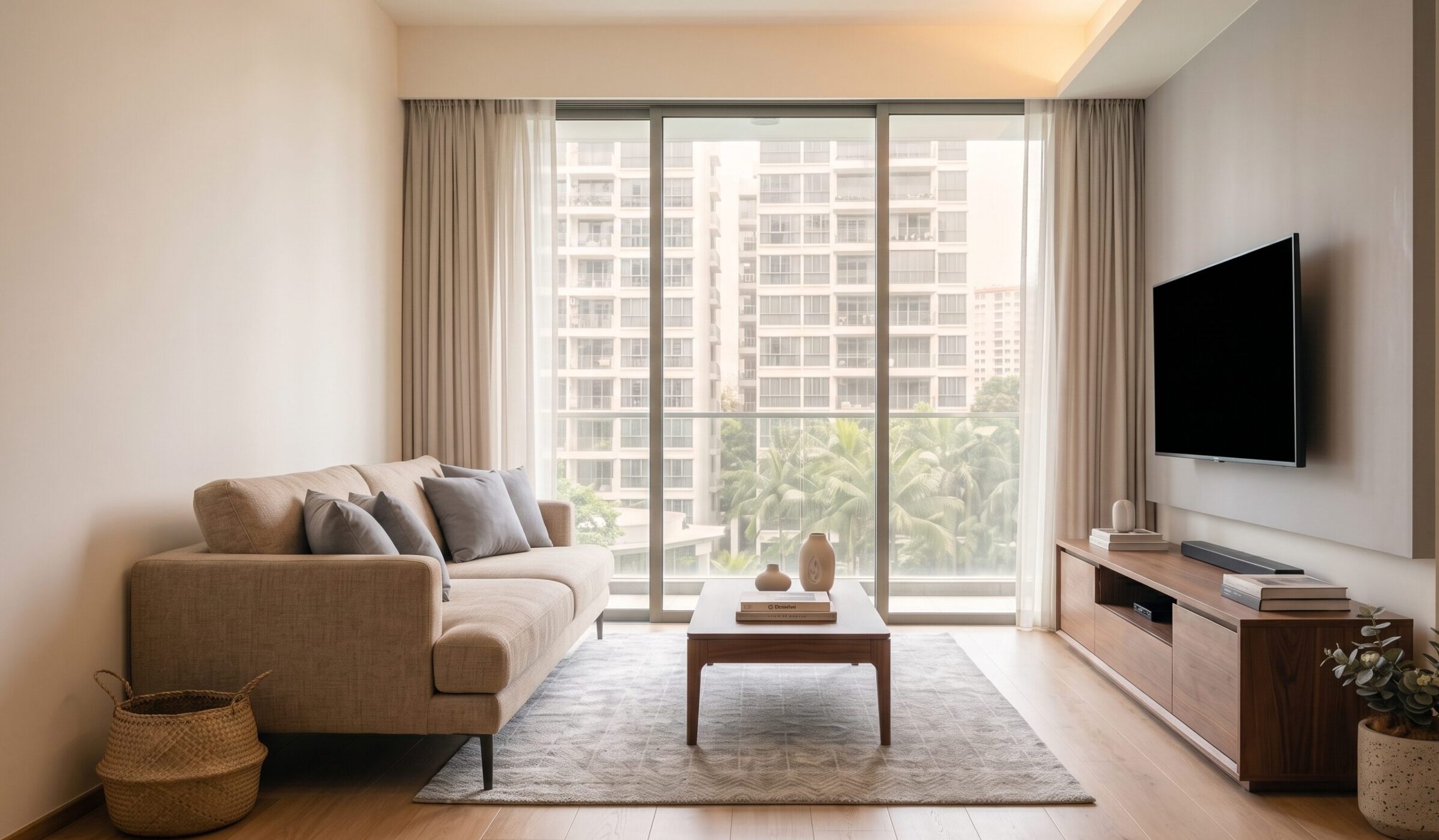
The evidence is striking. Research consistently shows that indoor air can be two to five times more polluted than outdoor air, and in some cases, even worse. In densely populated urban environments across Southeast Asia — including cities like Kuala Lumpur, Singapore, and Jakarta — the problem is compounded by tightly sealed, air-conditioned buildings that trap contaminants indoors and allow them to accumulate to harmful concentrations over time.
So what exactly are we breathing? The list of common indoor pollutants is longer than most people expect. Fine particulate matter (PM2.5) generated from cooking, especially over gas flames, penetrates deep into lung tissue and enters the bloodstream. Volatile organic compounds (VOCs) — off-gassed from furniture, paints, adhesives, and household cleaning products — are known irritants and, in some cases, potential carcinogens with chronic exposure. Biological contaminants such as dust mite allergens, mold spores, and pet dander are potent triggers for allergic rhinitis and asthma. Even carbon dioxide, which builds up in poorly ventilated rooms, has been shown to impair cognitive performance and sleep quality at concentrations commonly found in occupied bedrooms.
What makes this particularly concerning from a clinical standpoint is how non-specific the symptoms are. Patients frequently present with persistent headaches, unexplained fatigue, recurrent throat irritation, or worsening allergic symptoms — complaints that are easy to attribute to stress or seasonal changes. Without a careful environmental history, the role of indoor air quality is routinely overlooked. Over time, chronic low-level exposure to these pollutants has been associated with increased risk of respiratory diseases including asthma and chronic obstructive pulmonary disease (COPD), cardiovascular strain, and impaired immune function.
Children and the elderly are especially vulnerable. Developing lungs in young children are disproportionately affected by particulate exposure, and older adults with pre-existing respiratory or cardiac conditions face heightened risk from the same triggers. But it would be a mistake to assume that healthy adults are immune. Emerging research in occupational and environmental medicine points to a measurable decline in lung function among otherwise healthy individuals who are exposed to elevated indoor pollutant levels over months and years — a process that is largely silent until clinical thresholds are crossed.
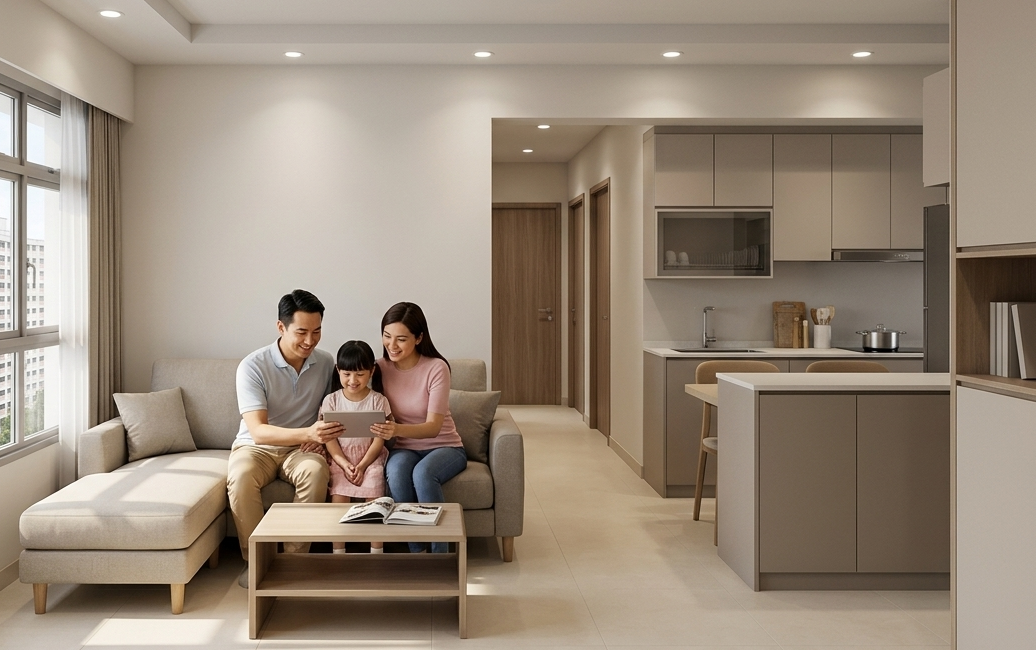
It is also worth addressing a common misconception: many people assume that because their home looks clean, the air must be clean too. In reality, the most harmful particles — those in the PM2.5 and ultrafine range — are completely invisible to the naked eye. A spotless living room can still harbour dangerous concentrations of airborne contaminants. Regular dusting and vacuuming, while beneficial for reducing settled allergens, do little to address the suspended fine particles that pose the greatest respiratory risk.
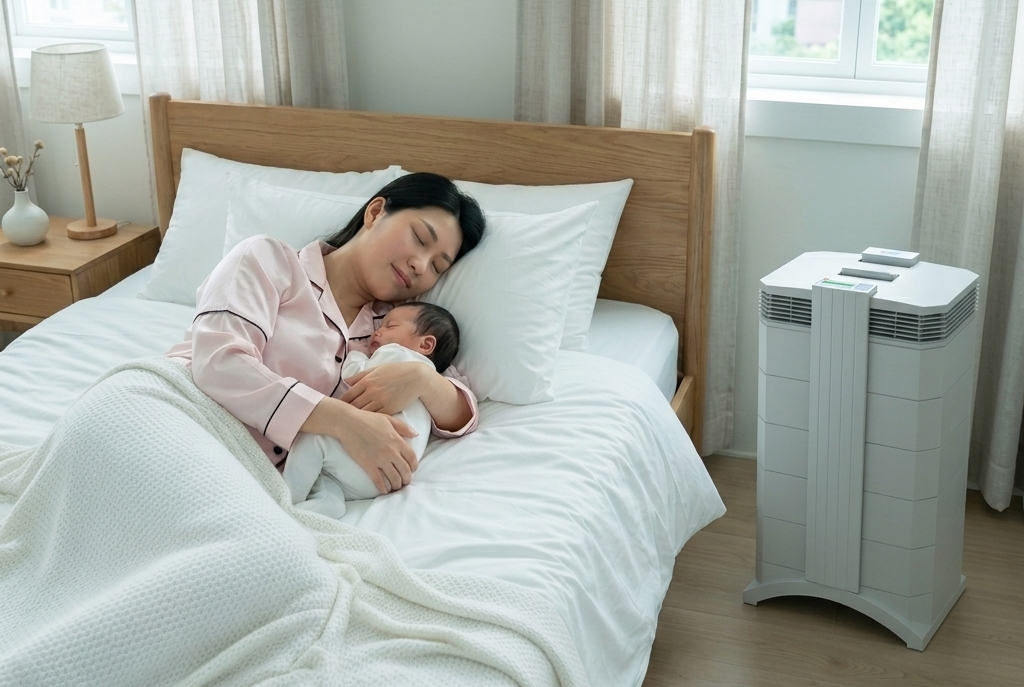
Sleep is another dimension that deserves attention. We spend roughly a third of our lives in the bedroom, often with windows closed and little air circulation. Studies have demonstrated that poor bedroom air quality — elevated CO2, particulate matter, and biological allergens — is directly linked to disrupted sleep architecture, reduced deep sleep, and morning fatigue. For patients who complain of non-restorative sleep without an obvious cause, you can now routinely ask about their bedroom ventilation and air filtration habits
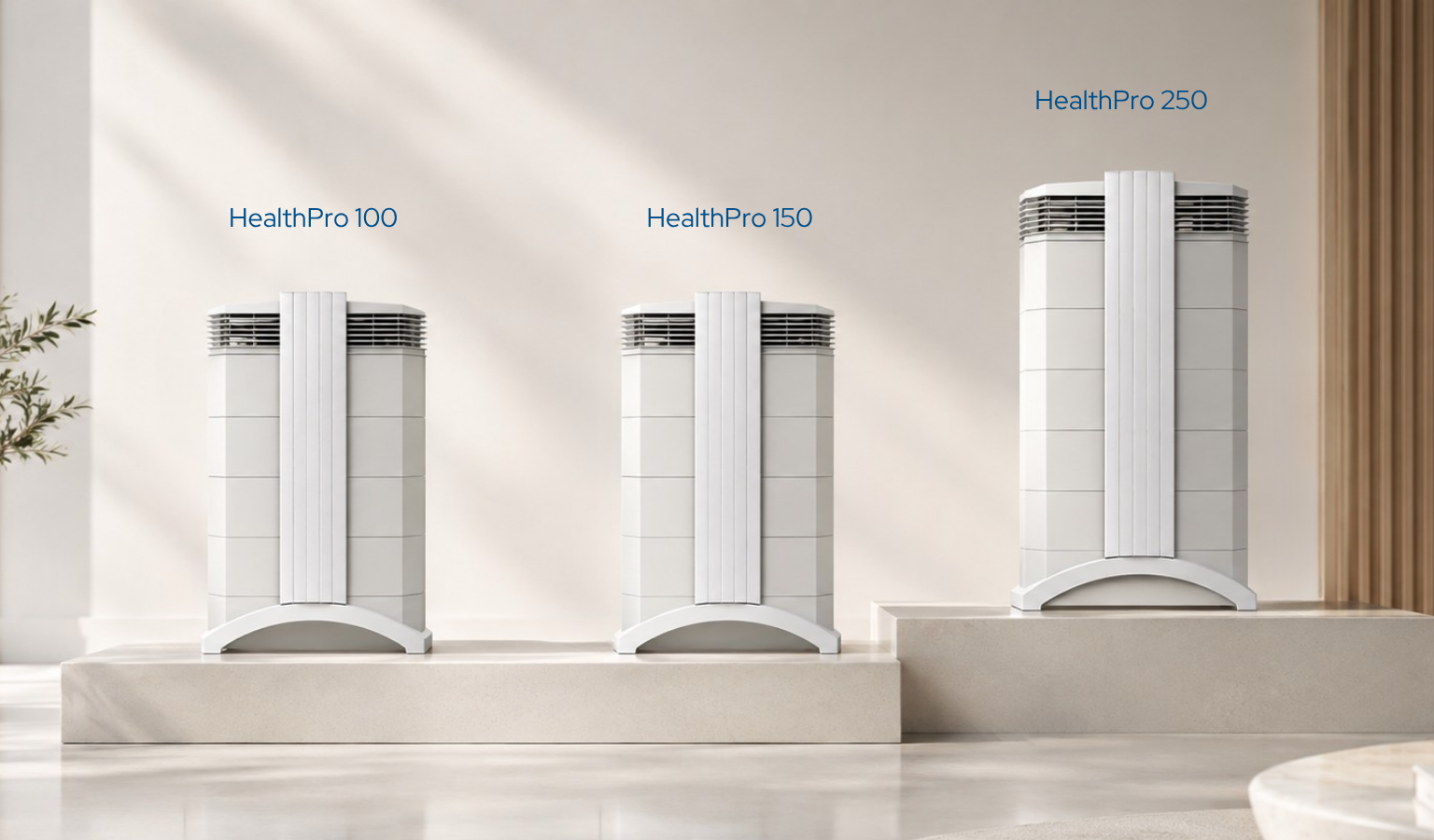
The encouraging news is that meaningful improvement is achievable. Adequate ventilation — opening windows when outdoor air quality permits, maintaining HVAC systems, and reducing pollutant sources at their origin — forms the foundation of any indoor air quality strategy. However, in high-density urban environments where outdoor air is itself compromised, a high-performance air purifier equipped with a true HEPA filter and activated carbon layer becomes not a luxury, but a clinical necessity.
Consider This:
we spend up to 90% of our lives indoors. The air quality in that environment has a direct, measurable impact on our health outcomes. Investing in solutions like IQAir air purifiers — which are independently tested to remove ultrafine particles, VOCs, and biological contaminants — one of the most pragmatic and evidence-aligned steps any individual can take for their long-term wellbeing.
The air you cannot see is the air you cannot afford to ignore.